Brian Of Nazareth
Well-known member
I’m hoping to get this thread going to discuss all things guitars. John’s specifically.
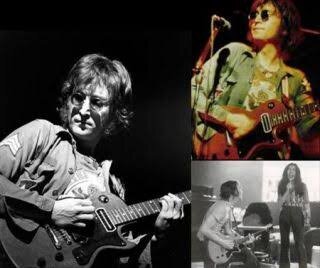
John Lennon’s Gibson Les Paul Junior feels less like a famous guitar and more like a reflection of the man himself during the early 1970s.
It was not flashy. It was not polished. It was battered, modified, stripped down and completely honest. In many ways, it became the perfect guitar for the version of Lennon that emerged after The Beatles.
The guitar itself was a mid-1950s Gibson Les Paul Junior, most likely a 1956 model. Originally, it would have left the Gibson factory in a classic tobacco sunburst finish as a fairly simple student guitar. That is part of what makes Lennon choosing it so fitting. While many rock stars chased expensive custom instruments, Lennon gravitated towards something raw and straightforward.
By the time he was living in New York in the early 70s, Lennon had changed enormously. The psychedelic colours and polished image of Beatlemania were gone. This was the period of political protests, primal scream therapy, denim jackets, long nights in Greenwich Village and brutally honest songwriting. The Les Paul Junior matched that new identity perfectly.
Like most things Lennon owned, he could not leave it alone for long. He had the guitar modified by New York luthier Ron DeMarino, adding a Charlie Christian style pickup in the neck position. Lennon loved old rock and roll and admired jazz guitarist Charlie Christian, so the change was not random. It gave the guitar a warmer, fuller sound while still keeping the sharp bite that made the Junior so aggressive.
Then came the most Lennon-like decision of all.
He stripped the original finish from the guitar completely. Lennon believed removing the paint allowed the wood to “breathe” and resonate more naturally. Whether that was scientifically true or not almost does not matter. It perfectly summed up how he thought about music and art. He was always searching for something more real beneath the surface.
The guitar became most famous during the 1972 One to One Benefit Concerts at Madison Square Garden. These shows would later become incredibly important in Beatles history because they turned out to be Lennon’s final full-length live performances. Watching the footage today, the Les Paul Junior almost feels attached to him physically. Hanging low across his shoulder, it snarls its way through songs like Instant Karma!, Cold Turkey, Well Well Well and Come Together.
The sound was rough, loud and emotional. There was nothing delicate about it. Unlike the carefully layered Beatles recordings of the 1960s, this guitar sounded confrontational at times, almost like Lennon was trying to push every feeling directly into the audience.
What makes the guitar so interesting is that it was never meant to be glamorous. The Les Paul Junior had originally been marketed as a beginner’s instrument for students. Yet Lennon loved its honesty. He was never a guitarist obsessed with perfection or technical ability. He cared about feel. Energy. Truth. If a guitar could capture emotion, that mattered more to him than how expensive it looked.
People around Lennon often said he became emotionally attached to instruments. They were not museum pieces to him. They were companions. Working tools. You can almost see that relationship in the scratches and wear marks covering the Les Paul Junior.
Visually, it also came to represent the man Lennon had become. The colourful Beatles years had faded into history. In their place stood a stripped-back artist in New York with a stripped-back guitar, making stripped-back music.
For many years after Lennon’s death, the guitar was displayed in the John Lennon Museum in Saitama, Japan. Fans could stand only feet away from one of the most important instruments of his solo career. But when the museum closed in 2010, the guitar disappeared from public view.
Most people believe it returned to the care of Yoko Ono and the Lennon estate, where it likely remains today somewhere inside a private archive. There is something strangely fitting about that. A guitar so connected to Lennon’s most personal and politically charged years quietly vanishing from the public eye almost adds to its mythology.
When Gibson released an official replica in 2007, they copied every detail from the original instrument, right down to the scratches and worn areas on the body and headstock. That battered old student guitar had become iconic.
Today, Lennon’s Les Paul Junior remains one of the clearest symbols of who he became after The Beatles.
John Lennon’s Gibson Les Paul Junior feels less like a famous guitar and more like a reflection of the man himself during the early 1970s.
It was not flashy. It was not polished. It was battered, modified, stripped down and completely honest. In many ways, it became the perfect guitar for the version of Lennon that emerged after The Beatles.
The guitar itself was a mid-1950s Gibson Les Paul Junior, most likely a 1956 model. Originally, it would have left the Gibson factory in a classic tobacco sunburst finish as a fairly simple student guitar. That is part of what makes Lennon choosing it so fitting. While many rock stars chased expensive custom instruments, Lennon gravitated towards something raw and straightforward.
By the time he was living in New York in the early 70s, Lennon had changed enormously. The psychedelic colours and polished image of Beatlemania were gone. This was the period of political protests, primal scream therapy, denim jackets, long nights in Greenwich Village and brutally honest songwriting. The Les Paul Junior matched that new identity perfectly.
Like most things Lennon owned, he could not leave it alone for long. He had the guitar modified by New York luthier Ron DeMarino, adding a Charlie Christian style pickup in the neck position. Lennon loved old rock and roll and admired jazz guitarist Charlie Christian, so the change was not random. It gave the guitar a warmer, fuller sound while still keeping the sharp bite that made the Junior so aggressive.
Then came the most Lennon-like decision of all.
He stripped the original finish from the guitar completely. Lennon believed removing the paint allowed the wood to “breathe” and resonate more naturally. Whether that was scientifically true or not almost does not matter. It perfectly summed up how he thought about music and art. He was always searching for something more real beneath the surface.
The guitar became most famous during the 1972 One to One Benefit Concerts at Madison Square Garden. These shows would later become incredibly important in Beatles history because they turned out to be Lennon’s final full-length live performances. Watching the footage today, the Les Paul Junior almost feels attached to him physically. Hanging low across his shoulder, it snarls its way through songs like Instant Karma!, Cold Turkey, Well Well Well and Come Together.
The sound was rough, loud and emotional. There was nothing delicate about it. Unlike the carefully layered Beatles recordings of the 1960s, this guitar sounded confrontational at times, almost like Lennon was trying to push every feeling directly into the audience.
What makes the guitar so interesting is that it was never meant to be glamorous. The Les Paul Junior had originally been marketed as a beginner’s instrument for students. Yet Lennon loved its honesty. He was never a guitarist obsessed with perfection or technical ability. He cared about feel. Energy. Truth. If a guitar could capture emotion, that mattered more to him than how expensive it looked.
People around Lennon often said he became emotionally attached to instruments. They were not museum pieces to him. They were companions. Working tools. You can almost see that relationship in the scratches and wear marks covering the Les Paul Junior.
Visually, it also came to represent the man Lennon had become. The colourful Beatles years had faded into history. In their place stood a stripped-back artist in New York with a stripped-back guitar, making stripped-back music.
For many years after Lennon’s death, the guitar was displayed in the John Lennon Museum in Saitama, Japan. Fans could stand only feet away from one of the most important instruments of his solo career. But when the museum closed in 2010, the guitar disappeared from public view.
Most people believe it returned to the care of Yoko Ono and the Lennon estate, where it likely remains today somewhere inside a private archive. There is something strangely fitting about that. A guitar so connected to Lennon’s most personal and politically charged years quietly vanishing from the public eye almost adds to its mythology.
When Gibson released an official replica in 2007, they copied every detail from the original instrument, right down to the scratches and worn areas on the body and headstock. That battered old student guitar had become iconic.
Today, Lennon’s Les Paul Junior remains one of the clearest symbols of who he became after The Beatles.